When I was a sophomore in high school, I applied to be a volunteer at The Vinny, a charity golf tournament hosted by Vince Gill to benefit the Tennessee Junior Golf Association.
I was just learning the sport and wasn’t familiar with many professional golfers. But I loved country music and had seen photos in Country Music Magazine of some of my favorite stars playing in The Vinny. One memorable shot was of Reba, shoulders hunched up to her ears with a worried expression on her face, after hitting a wayward shot that nearly hit a spectator.
I was thrilled to receive a letter saying I had been selected.
After a full day of pro-am action in the hot June sun, Vince gave an exclusive concert at the Grand Ole Opry. The junior volunteers sat in the back of the floor section and listened as Vince told jokes and stories, apologized for any cuss words uttered during his round, and invited his musical buddies to join him on stage.
The next day, we were back on the course for the celebrity-amateur portion of the tournament. Reba wasn’t there, but plenty of great singers made the day fun for me and my parents.
I went back in 1998, but the tone had shifted dramatically. Vince still told jokes, swore on the course, and signed autographs, but he was clearly hurting. When they unveiled a statue his late father Stan at Golf House, where the junior volunteers stayed, Vince sobbed openly. And at the Opry, he broke down during “I Still Believe in You,” imploring the crowd to sing the lyrics he couldn’t finish.
The death of his dad and the dissolution of his first marriage in 1997 made for a tough year for the affable Vince, but his actions were a lesson in graciousness. Even in his grief, Vince made time for his fans.
After the media and special guests left the statue unveiling, Vince spent a few moments admiring the memorial, which depicts a 10-year-old Vince completing his golf swing. His dad is resting a hand on Vince’s shoulder.
A junior volunteer handed me his camera and asked Vince for a photo. Vince put his arm around the young man’s shoulders and smiled. I snapped the photo and shyly handed it back to the kid without asking for my own picture with Vince.
That wasn’t like me back then. I was much bolder two days later when I stopped Kix Brooks in the parking lot for a photo. But Vince’s vulnerability left me a little shaken.
In that summer of ‘98, Vince Gill showed a glimpse of the caretaker he would become — revered for his generosity as much as his talent.
Triple Threat
You know one of the things I miss most about the music I grew up on? The packaging.
Cassette tapes and CDs came with glossy liner notes that included artist photos, song lyrics, credits, and thank-you notes that I read religiously. It’s how I learned Vince Gill was a triple threat: singer, songwriter, and musician.
As my collection of country music grew, I loved finding his name in the liner notes of other artists’ work like Reba’s “You Lie” and Dolly’s “Silver and Gold.”
Vince was a bankable bet on the charts when I started digging into his music, but he had already been on the road for nearly two decades. From regional bluegrass bands to Pure Prairie League to Emmylou Harris’s Hot Band, Vince spent those first years making friends and admirers.
In 1984, he won the ACM Top New Male Vocalist award, but it would take another six years for him to break through in country music. “When I Call Your Name” earned him his first of 18 CMA Awards and his first of 22 Grammys.
While that sounds like a recipe for chart success, I was surprised to learn Vince has just four U.S. No. 1’s as a solo artist. That’s four more than I’ll ever have, but his success — and legacy — reach beyond the charts.
“Go Rest High on That Mountain” peaked at No. 14 but has only grown in popularity in the 30 years since its release. Vince and Patty Loveless, who sang background vocals with Ricky Skaggs on the single, delivered a now-legendary performance of the song at George Jones’s 2013 memorial service.
Just like that night in 1998 at the Opry, Vince wore his heart on his sleeve and wept openly. And just like that ‘98 crowd, Patty sang the lines he couldn’t finish.
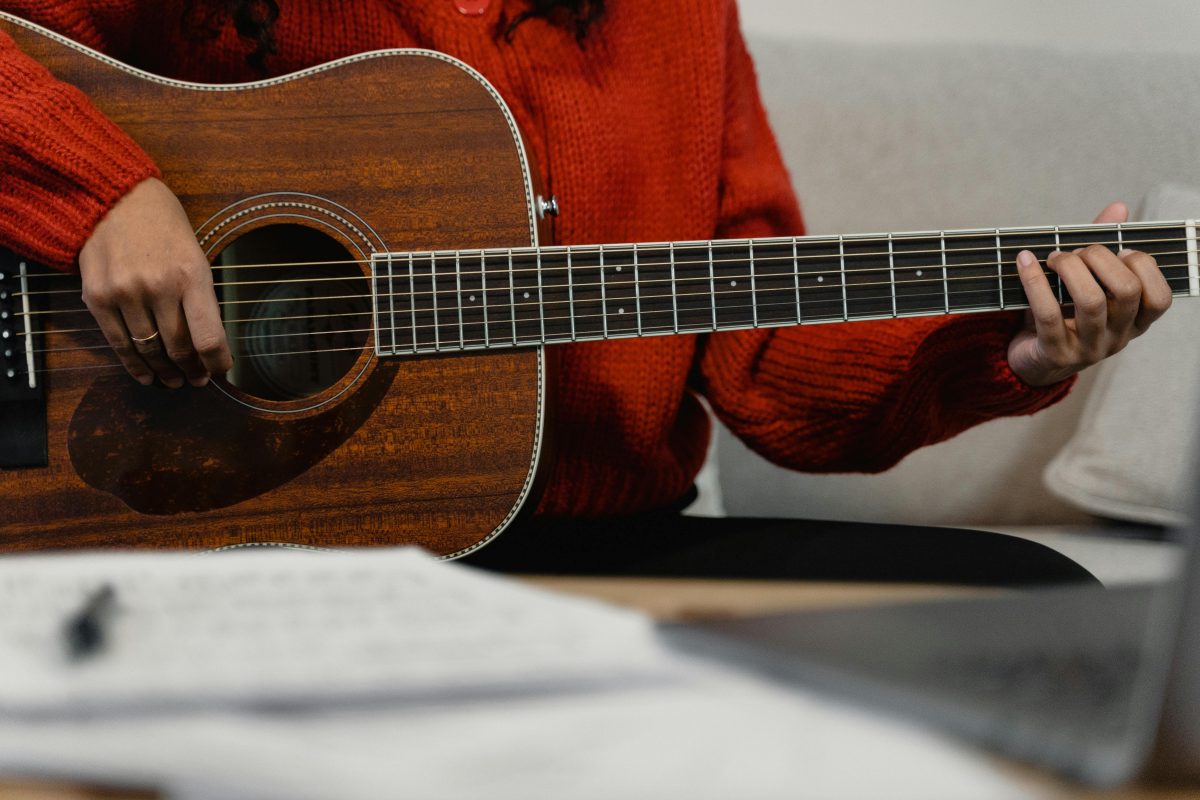
Don’t misread it. Men who cry aren’t fragile. Vince certainly isn’t fragile — he’s a man of deep feeling. He sings with his eyes shut tight to stay inside the song, and he plays guitar as if it’s an extension of his body.
Country music has plenty of guitar heroes, but Vince plays differently. His electric solos aren’t about showing off. They’re expressions of the song’s emotional center.
It’s true in tender ballads like “You and You Alone” and in honky-tonkers like “What the Cowgirls Do.” Vince sings with his guitar as much as his voice.
As his own star rose, Vince continued to lend his voice and guitar to a host of artists across all genres. And as country music lost the voices that inspired Vince, he stepped in to fill their shoes as a mentor and friend to dozens of newcomers.
The Statesman
I’ve been lucky to see Vince Gill live several times over the years, and I never tire of his artistry. But one of my clearest memories of Vince on stage has nothing to do with performing.
In 2017, my parents and I went to the Opry for the 40th anniversary of Reba’s debut there. Vince hosted her segment and caught my eye during a commercial break. With techs bustling to move mics as musicians took their places, Vince — guitar slung comfortably at his side — wandered from the side of the stage to the emcee’s lectern.
He leaned against the podium, peering over the emcee’s shoulder, completely at home. And during the COVID-19 pandemic, Vince was integral in keeping the Opry the longest-running live radio broadcast in U.S. history. When live audiences were barred, Vince performed acoustic sets with Brad Paisley and Marty Stuart, his wife Amy Grant and daughters Jenny and Corinna, and Reba.
And Vince was on the first show welcoming the live audience back in October 2020, showing he’s more than an Opry member. He’s a patriarch, taking the mantle from Roy Acuff, Porter Wagoner, and Little Jimmy Dickens.
He supports new artists regardless of how their sound varies from his own. In a 2015 interview with Dan Rather during the bro country era, the legendary broadcaster teed up Vince for a monster drive.
Vince, a student of Merle Haggard and Ralph Stanley, and with the credentials and every right to call out the checklist songwriting of the day, laid up instead.
He admitted some of the day’s music wasn’t his “cup of tea” but showed signature graciousness and respect for artistic expression, saying “There’s a lot of it I’m not crazy about it, but it’s not personal. They don’t have anybody cheering for them harder than I do.”
I’ve also been lucky to see Vince’s generosity in person, not only at The Vinny but at my alma mater, Belmont University, where he hosted charity basketball games to benefit our athletic and music business programs.
Vince isn’t an alumnus, but he enjoys a close friendship with retired men’s basketball coach, Rick Byrd, who plays golf with Vince in his “One More Last Chance” music video. Students and fans were used to seeing Vince at games — and hearing him heckle the referees.
And when his oldest daughter moved into the dorm, Vince was like any other dad, dutifully hauling her mini fridge up the stairs and to her room. That regular-guy charm is endearing and approachable.
But fans know that Vince is an extraordinary talent. Here are five songs that showcase Vince’s unmistakable voice, songwriting prowess, and guitar greatness, along with three of my favorite album cuts.
My Top 5 Vince Gill Songs
1. “High Lonesome Sound”
From his 1996 album of the same name. Written by Vince Gill. Peaked at No. 12 on the Billboard Hot Country Songs chart.
Vince recruited Alison Krauss to sing harmony on his ode to bluegrass. It’s a magical combination, with Alison singing just above Vince’s warm tenor to create something spiritual. While the instrumentation includes traditional bluegrass, Vince took it a step further by closing the album with an alternate version of the song featuring Alison and Union Station.
2. “Don’t Let Our Love Start Slippin’ Away”
From his 1992 album I Still Believe in You. Written by Vince Gill and Pete Wasner. No. 1 on the Billboard Hot Country Songs chart.
I can’t argue that Vince is at his best when he’s writing and singing about heartbreak, but my favorite Vince shows up on songs like this one. His bright vocals shine on this up-tempo track, and his guitar solo adds depth that makes the single more than just a bop. Paired with a music video that saw some of his industry buddies having a ball in a club, it’s easy to see why Vince is known as one of the nicest guys in Nashville.
3. “Trying to Get Over You”
From his 1992 album I Still Believe in You. Written by Vince Gill. No. 1 on the Billboard Hot Country Songs chart.
This is Vince at his best — writing an achingly beautiful song about the kind of heartbreak that takes dying to get over. The warmth of his voice creates an intimacy that invites us into his despair. And the guitar solo doesn’t feel ornamental but as grief-stricken as the song’s narrator.
4. “When I Call Your Name”
From his 1990 album of the same name. Written by Vince Gill and Tim DuBois. Peaked at No. 2 on the Billboard Hot Country Songs chart.
Vince had been recording music as a solo artist since the mid-80s and playing live for even longer when this song catapulted him to stardom. “When I Call Your Name” should be required text for any country songwriter, but the song would lose some of its emotional weight without Patty Loveless’s Appalachian lonesomeness on harmony.
5. “When Love Finds You”
From his 1994 album of the same name. Written by Vince Gill and Michael Omartian. Peaked at No. 3 on the Billboard Hot Country Songs chart.
When Love Finds You is one of Vince’s best albums, featuring six singles, at least two of which remain staples among modern country music fans. “Whenever You Come Around” and “Go Rest High on That Mountain” may eclipse the title track in popularity or staying power, but Vince turns “When Love Finds You” into a soulful, hopeful prayer even a cynic can believe.
Bonus Album Cuts
“I Can’t Tell You Why”
From the 1993 album Common Thread: The Songs of the Eagles. Written by Timothy B. Schmit, Don Henley, and Glenn Frey.
Long before the Eagles tapped Vince to replace the late Glenn Frey in 2017, he returned to his soft-rock roots on this tribute album. But his silky vocals also allow him to play in the R&B sandbox where he’s at home on his 1998 hit “If You Ever Have Forever in Mind.”
“No Future in the Past”
From his 1992 album I Still Believe in You. Written by Vince Gill and Carl Jackson.
The piano intro recalls the great country standards of Patsy Cline and Ray Price, and Vince’s delivery matches that vintage sound.
“What They All Call Love”
From his 1998 album The Key. Written by Vince Gill.
Vince supplied the background vocals on Faith Hill’s No. 1 hit “Let Me Let Go,” and she returned the favor here. We don’t talk about their voices together enough, but their pairing is as rich as his work with Reba. It’s a shame we didn’t get more Vince and Faith through the years.
Thanks for taking this walk down memory lane with me. Vince Gill is a gift to country music — a devoted caretaker of its history and stalwart defender of its evolution. Let me know your favorite Vince song or story in the comments.